

Indianapolis Car Accident Lawyer
Plaintiff-focused auto accident lawyers preparing every case with experience and dedication.
If you have been injured in an auto accident in Indianapolis, an attorney at Ward & Ward Personal Injury Lawyers can help you establish who was at fault, handle the insurance carriers, and pursue the compensation available under Indiana law. Auto accident claims involve filing deadlines, evidentiary requirements, and insurance tactics that most people are not equipped to manage on their own. If you need an Indianapolis, IN auto accident lawyer, contact our office for a free consultation.
Auto Accident Lawyer Indianapolis, IN
An auto accident case begins when a person is injured in a collision caused by another driver’s negligence. These cases take more forms than most people expect. A driver checking a phone can drift across the center line on a two-lane road. A chain-reaction crash can unfold on I-465 when traffic stops short during the evening commute. A poorly maintained stretch of pavement can send a single vehicle off the road entirely. A merge gone wrong in a downtown construction zone can leave two cars scraped down the side. The circumstances vary widely, but the legal foundation is the same in each one: someone failed to exercise reasonable care, and someone else was hurt as a result.
Indiana is an at-fault state, which means the driver who caused the collision is responsible for the damages that follow. Proving fault, documenting injuries properly, and recovering what you are owed from an insurance carrier is another matter entirely. According to NHTSA crash data, an estimated 39,345 people died in motor vehicle crashes across the United States in 2024. Millions more were injured. Those numbers are national, but Indianapolis roads contribute to them every day.
Types of Auto Accident Cases We Handle in Indianapolis
Auto accidents in Indianapolis, IN arise from a wide range of circumstances. Ward & Ward Personal Injury Lawyers handles claims across the following categories:
- Rear-end collisions. This is the single most common type of auto accident. It stems from distraction, tailgating, and sudden stops. Rear-end crashes frequently produce soft tissue damage that may not show symptoms until days after the collision, which is one reason immediate medical evaluation matters.
- Whiplash injuries. Whiplash is one of the most common results of rear-end and side-impact collisions. The symptoms often don’t appear until days after the crash, which is why prompt medical evaluation matters even when you feel fine at the scene.
- T-bone accidents. A driver runs a red light or blows through a stop sign, and the result is a side-impact collision. The occupant on the struck side absorbs nearly all of the force. Injuries from T-bone crashes tend to be more severe than in front or rear impacts, particularly when the vehicle lacks side-curtain airbags.
- Hit-and-run accidents. When a driver causes a crash and leaves, the legal complications multiply. Finding the driver is one challenge. If they cannot be identified, recovering damages through your own uninsured motorist coverage becomes the path forward.
- DWIs. An impaired driver who causes a collision faces both criminal charges and civil liability. The civil claim exists independently. You do not need to wait for the criminal case to conclude before pursuing compensation for your injuries.
- Motorcycle accidents. Motorcyclists hit by negligent drivers suffer injuries that are typically far worse than what occupants of enclosed vehicles experience. Insurance adjusters in motorcycle cases often attempt to shift blame to the rider, regardless of the facts.
- Truck accidents. A collision with a commercial truck, tractor-trailer, or 18-wheeler produces catastrophic injuries at rates that dwarf passenger-vehicle-only crashes. These cases often involve multiple defendants and overlapping insurance policies. The carrier may have violated federal regulations that apply to commercial vehicles. These cases are built differently.
- Pedestrian accidents. A pedestrian struck by a vehicle in a crosswalk, parking lot, or along a roadway has no protection at all. The injuries are frequently life-altering.
- Uber accidents. Collisions involving Uber vehicles create coverage questions that standard auto claims do not. Whether the app was off, on and waiting for a ride request, or active during a trip determines which policy applies. The company’s commercial coverage and the driver’s personal policy can both come into play depending on that phase.
- Lyft accidents. Collisions involving Lyft vehicles raise the same layered coverage problem. The driver’s personal policy, Lyft’s commercial policy, and the specific phase of the ride at the time of the crash all affect which coverage you can pursue.
Why Choose Ward & Ward Personal Injury Lawyers as My Auto Accident Lawyer in Indianapolis, IN?
A Firm With Deep Roots in Indiana Injury Law
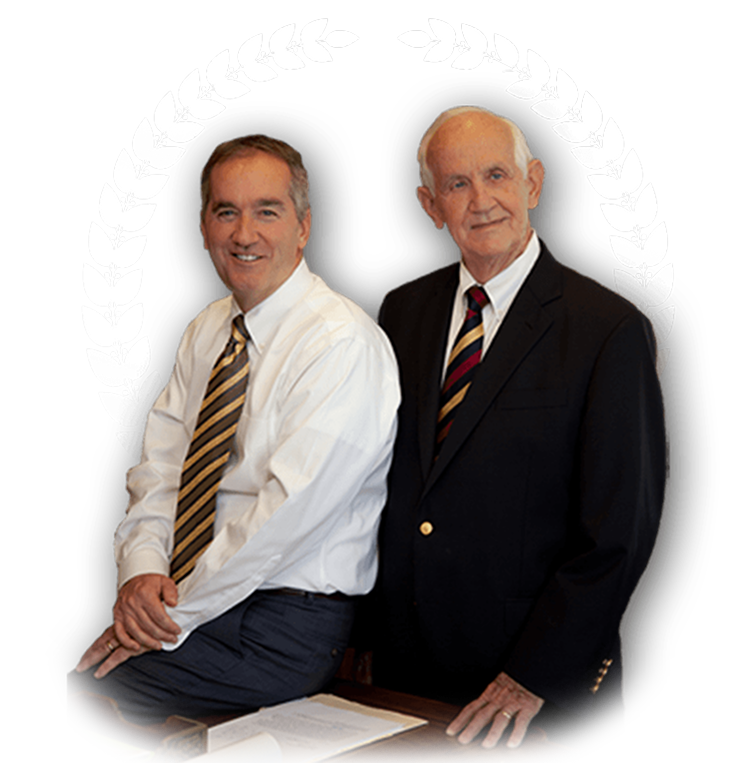
Charles P. Ward has practiced since 1989. He holds an AV Preeminent Peer Review Rating from Martindale-Hubbell, has appeared on the Super Lawyers list every year since 2005, and is recognized by Best Lawyers in America for personal injury litigation. He earned selection among the Top 25 Trial Lawyers by the Motor Vehicle Trial Lawyers Association, a distinction directly relevant to auto accident representation. Donald W. Ward has practiced since 1954 and served as President of the Indiana Trial Lawyers Association. He received the Indiana Bar Foundation Legendary Lawyer Award in 2015.
Ward & Ward Personal Injury Lawyers has helped clients recover millions of dollars in auto accident and personal injury matters throughout Indiana. Our car accident lawyer in Indianapolis, IN takes cases on contingency. You pay nothing unless we recover compensation for you.
What Is Important to Understand About an Auto Accident Case?
Damages, Liability, and Compensation for Auto Accident Cases
What you can recover after an auto accident in Indiana depends on two things: how badly you were hurt and how clearly the evidence establishes fault. Damages fall into two categories.
Economic damages are the quantifiable losses. They include emergency room bills, surgical costs, physical therapy sessions, prescriptions, and ambulance transportation. They cover lost wages for the weeks or months you couldn’t work. They include future medical expenses when the injuries require ongoing treatment. They also cover the cost of repairing or replacing your vehicle. Every number comes from a bill, a pay stub, or an estimate.
Non-economic damages cover what invoices cannot. They account for the pain itself and the emotional distress that outlasts the physical recovery. They cover the loss of your ability to exercise, lift your children, or sleep through the night without discomfort. They include permanent scarring and disfigurement. If a family member died in the collision, the surviving family may pursue additional claims for loss of companionship.
Liability in an auto accident case comes down to what the at-fault driver did. The driver may have run a red light, sent a text, driven while impaired, or followed too closely. Indiana applies a modified comparative fault system under Indiana Code § 34-51-2-6.
What Are Important Aspects of an Auto Accident Case?
A handful of factors carry more weight in auto accident claims. Most are time-sensitive, and some cannot be recovered later if missed early.
- The police report matters more than most people assume. If the responding officer cited the other driver, that citation is strong evidence of fault. Get a copy before you leave the scene if possible.
- Scene evidence disappears fast. Photographs of vehicle damage, the road surface, traffic signals, skid marks, and debris. Dashcam footage. Nearby security cameras. The more documentation you have from the scene itself, the harder it becomes for the insurer to rewrite what happened.
- Your medical records are the backbone of the damages claim. They must connect your injuries to this accident specifically. If you wait two weeks to see a doctor, the insurance company will argue that the injuries either didn’t exist or weren’t caused by the collision.
- Indiana’s minimum liability insurance requirements are low. If the at-fault driver’s policy limits don’t cover your damages, your own underinsured motorist coverage may be the difference between full recovery and a shortfall.
- Do not give a recorded statement to the other driver’s insurance company before speaking with an attorney. Adjusters use those statements to build a case against you, not for you.
The Indiana BMV provides information on minimum insurance requirements and accident reporting obligations for Indiana drivers.
What Is the Auto Accident Case Timeline?
No two auto accident cases follow the same timeline. But most move through a recognizable sequence.
- Treatment first. Your attorney should not push for settlement before you reach maximum medical improvement. Settling too early means future costs come out of your pocket.
- Evidence gathering follows. Police report. Medical records. Witness statements. Photographs. Video. All of it gets collected, organized, and reviewed.
- The claim is filed with the at-fault driver’s insurer. Negotiations begin. A significant number of auto accident cases resolve during this phase without litigation.
- If the insurer won’t offer a fair amount, your attorney files a lawsuit. Indiana’s statute of limitations under Indiana Code § 34-11-2-4 gives you two years from the date of the accident.
- Litigation means discovery, depositions, and pre-trial motions. Some cases settle once the insurer sees the strength of the evidence. Others go to trial.
Simple cases with clear liability sometimes resolve in a few months. Disputed liability, serious injuries, or multiple parties can push the timeline past a year.
What Should You Bring to Your Auto Accident Consultation?
Having your documents together before the first meeting lets the attorney evaluate the claim faster. Bring what you can:
- The police accident report
- Photos or video from the scene, including vehicle damage, road conditions, your injuries
- Medical records and bills from any treatment you have received
- Insurance information for everyone involved, plus your own auto and health policies
- Any letters, emails, or voicemails from insurance adjusters
Your attorney will walk through the facts, assess the potential value of the claim, and explain the next steps. This consultation is free, and you are under no obligation to proceed.
What Are Important Indiana Legal Resources for Auto Accident Cases?
Indiana’s personal injury statutes set the deadlines, fault rules, and damage categories that apply to auto accident claims. These resources are a useful starting point:
- Indiana Code § 34-11-2-4 sets the statute of limitations at two years from the date of the accident for personal injury claims.
- Indiana Code § 34-51-2-6 establishes Indiana’s modified comparative fault rule. Recovery is barred if the claimant’s own fault exceeds 50 percent.
- The NHTSA crash statistics page publishes national data on motor vehicle traffic fatalities and injuries.
- The Indiana Bureau of Motor Vehicles provides information on driver licensing, insurance requirements, and accident reporting procedures.
- The Indiana General Assembly website houses the full Indiana Code, including the provisions governing motor vehicle operation, traffic regulation, and civil liability.
Reach Out to Ward & Ward Personal Injury Lawyers to Schedule a Consultation
If you or a family member has been injured in an auto accident in Indianapolis, IN, Ward & Ward Personal Injury Lawyers can evaluate your case and advise you on the best path forward. We handle auto accident cases on contingency. No upfront costs, and no attorney fees unless we recover compensation on your behalf. Contact us to schedule a free case review with an Indianapolis auto accident attorney at Ward & Ward Personal Injury Lawyers.
Contact Us Today!


Free Consultation
Talk to an experienced injury attorney
Contact Our Office Today
728 S Meridian St, Indianapolis, IN 46225