

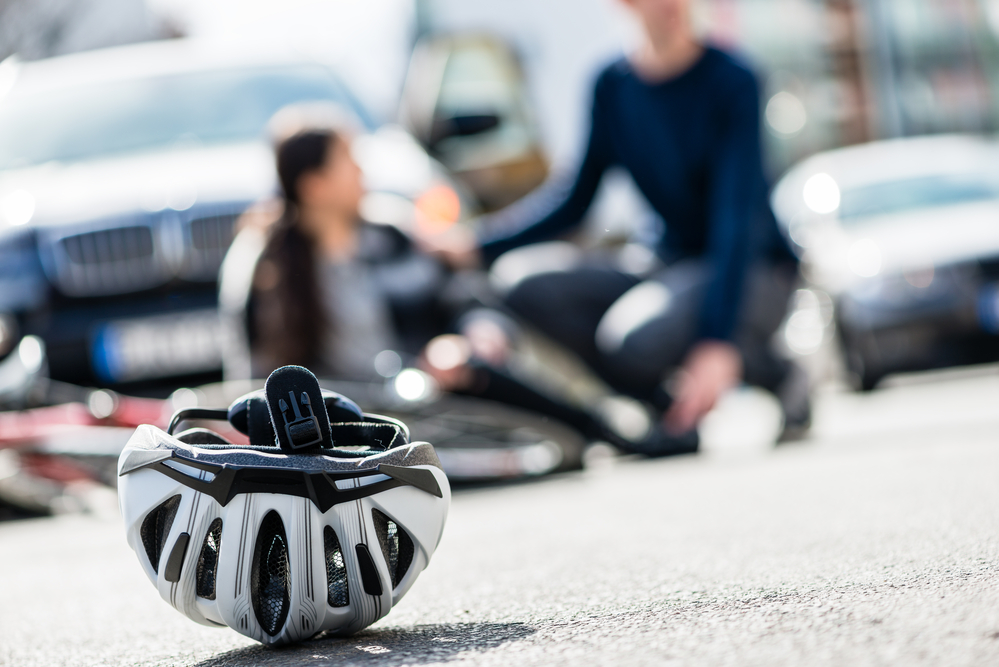
One second you’re riding. The next, a car door swings open right in front of you and there’s nothing you can do about it. Dooring is what happens when a driver or passenger throws open their vehicle door directly into the path of an oncoming cyclist, and it’s a lot more common than most people expect, especially on roads where parked cars sit right alongside active bike lanes.
The injuries aren’t minor. Broken bones, head trauma, road rash, shoulder injuries. And if the impact throws you into moving traffic, you’re now dealing with a much worse situation than a door hitting you.
Indiana Law and Driver Responsibility
Indiana actually has a specific law that covers this. Under Indiana Code 9-21-11-4, you can’t open a vehicle door on the side of moving traffic unless it’s reasonably safe to do so. That’s not a gray area. If someone flings their door open without checking for cyclists and you get hit, they’ve likely broken that statute.
Why does that matter for your case? When a traffic law is violated and someone gets hurt as a direct result, Indiana courts can treat that as negligence per se. You don’t have to prove the person was careless in some abstract sense. They broke a rule, you got hurt because of it, and that connection matters.
Who Can Be Held Liable
It depends on who opened the door, but liability typically falls on:
- The driver, if they were the one who swung it open
- A passenger, if they opened the traffic-side door without looking
- Potentially both, depending on what each person knew about the approaching cyclist
If you were riding lawfully in your lane or along the edge of the road, fault almost always sits with the person who opened that door. You can’t be expected to predict when someone’s about to swing a door into you without warning.
What a Claim Can Cover
A personal injury claim after a dooring accident can pursue compensation for a range of losses, including:
- Emergency care and any ongoing medical treatment
- Wages you lost while you couldn’t work
- Pain and suffering
- Your bike and equipment if they were damaged
- Future medical costs if your injuries require continued care
What a claim is actually worth depends heavily on how serious the injuries are and how well everything gets documented. A police report, photos from the scene, your medical records, witness information. All of it matters.
Why These Cases Require Careful Handling
Don’t expect the insurance company to make this easy. They’ll often argue the cyclist was riding too fast, was too close to parked cars, or wasn’t paying attention. Those arguments can be challenged, but they won’t just go away on their own.
Indiana follows a modified comparative fault rule. If you’re found partially at fault, your compensation gets reduced by that percentage. And if you’re found more than 50 percent responsible, you can’t recover anything. That’s why how these arguments get handled isn’t a small detail. It can change your outcome entirely. Connecting with an Indianapolis bike accident lawyer who knows how insurers approach these claims puts you in a much stronger position when those challenges come up.
Steps to Take After a Dooring Accident
If you can, file a police report right there at the scene. Get the name and insurance information from whoever opened the door. Photograph your injuries, your bike, and the vehicle. And get medical attention, even if you feel fine. Some injuries don’t show up right away, and a gap in your medical records can create problems later.
An Indianapolis bike accident lawyer can walk you through what your claim may realistically be worth, handle the back-and-forth with the insurance company, and build a case around the actual evidence.
The attorneys at Ward & Ward Personal Injury Lawyers represent injured cyclists throughout Indiana. If you’ve been hurt in a dooring accident, reach out today to talk through the details and get a clear picture of where you stand legally.