

Car accidents throw your life into chaos. You’re dealing with injuries, vehicle damage, and mounting bills. But there’s another challenge you’ll face: proving who caused the crash. Insurance companies won’t just believe your version of events. They need evidence. The quality of that evidence often determines whether you get fair compensation or get stuck holding the bag for someone else’s mistake.
Police Reports Are Your Foundation
When officers respond to an accident scene, they’re creating an official record. They’ll document the basics like when and where it happened, weather conditions, and road layout. But the real value comes from their observations. Did the other driver smell like alcohol? Were there skid marks showing someone slammed on their brakes? Officers note these details. Many times, they’ll indicate in the report which driver violated traffic laws. That official opinion carries serious weight with insurance adjusters. If the report says the other driver ran a red light, you’ve got powerful evidence working for you. Get a copy within a few days of your accident.
Photos And Videos Tell The Story
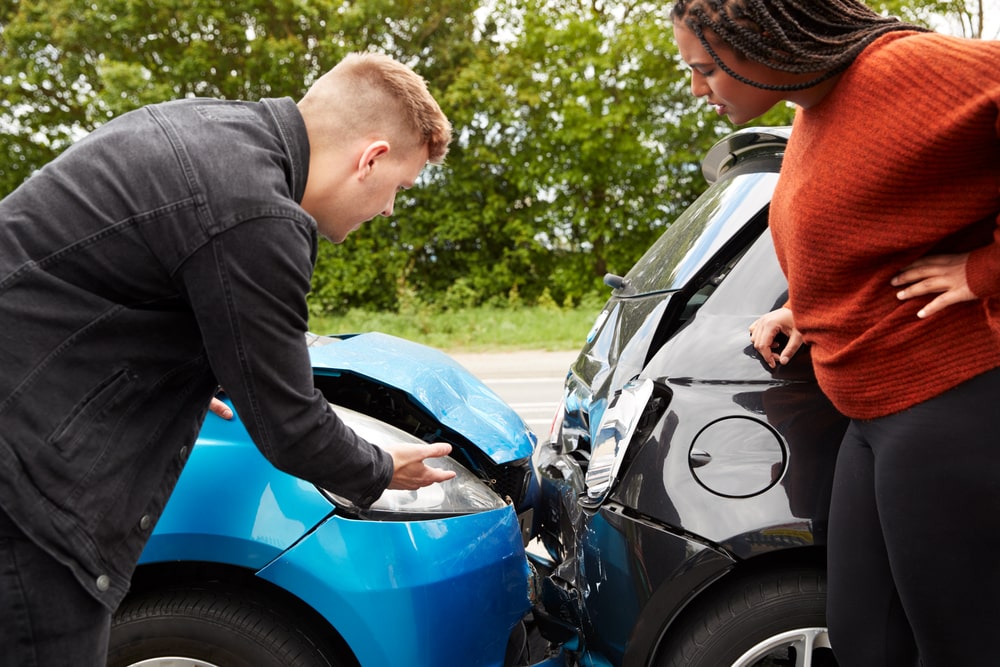
Your phone’s camera is one of your best tools at an accident scene. Take photos of everything. Vehicle damage from every angle. Skid marks on the pavement. Broken glass and debris patterns. Traffic signs and signals. Road conditions matter too. Was it raining? Icy? Document it. These details fade from memory fast, but photos preserve them. Don’t stop at your own pictures. Dashcam footage can be gold. So can surveillance cameras from nearby businesses or traffic cameras. You’ll need to move quickly though. Many systems overwrite old recordings after just a few days or weeks.
Witness Statements Add Credibility
Someone who saw the whole thing happen can make or break your case. Independent witnesses add credibility that your own account can’t match, especially when the other driver tells a completely different story. Get their information at the scene if you can. Names, phone numbers, anything that’ll help you follow up later. Their written or recorded statements become valuable ammunition when you’re fighting for fair compensation. A Brightwood car accident lawyer can help obtain formal witness statements that actually hold up under scrutiny. Insurance companies can’t brush off properly documented witness accounts as easily as they might dismiss informal conversations.
Medical Records Connect Injuries To The Accident
Here’s something people don’t realize until it’s too late. Delaying medical treatment gives insurance companies ammunition to deny your claim. They’ll argue the accident didn’t really hurt you, or that something else caused your injuries. Go to the doctor immediately. Even if you feel fine. Adrenaline masks pain, and some injuries don’t show symptoms for hours or days. Then keep everything:
- Emergency room records and discharge papers
- Every doctor’s note and diagnosis
- Physical therapy reports and progress notes
- All prescriptions and pharmacy receipts
- Bills for every medical expense
These documents create a timeline. They prove the accident injured you and show how serious those injuries are. Without them, you’re just telling a story. With them, you’re presenting facts. Working with a Brightwood car accident lawyer means someone’s protecting your interests while you focus on healing. Don’t wait to start building your case. Every day that passes makes the job harder.
Specialist Analysis Can Seal The Deal
Most accidents don’t need specialist analysis. But some do. Complicated crashes benefit from accident reconstruction specialists who can determine speeds, impact angles, and exactly what each driver did. Medical specialists matter too. They explain how your injuries will affect you long-term. Can you go back to your old job? Will you need future surgeries? These aren’t questions for guesswork. Professional testimony carries weight that personal accounts simply don’t. It turns opinions into facts backed by credentials and experience.
Physical Evidence From The Scene
Don’t repair your vehicle until it’s been inspected. Your car itself is evidence. Damaged parts, deployment patterns of airbags, and even your vehicle’s event data recorder can prove what happened. Modern cars are basically computers on wheels. That “black box” captures pre-crash data like your speed and whether you hit the brakes. It doesn’t lie or forget details. Save torn clothing. Keep damaged personal items. Everything tells part of the story. Physical evidence deteriorates or disappears, so preserve what you can right away.
Social Media Can Work Against You
Insurance companies employ people whose entire job is digging through your Facebook, Instagram, and Twitter. They’re looking for anything that contradicts your injury claims. Posted a photo of yourself at your kid’s soccer game? They’ll use it to argue you’re not really hurt. Mentioned feeling better in a status update? That’s evidence that your injuries aren’t serious. Stop posting. Just stop. Nothing about the accident, your injuries, or your recovery. What seems innocent to you becomes a weapon in their hands. Keep your case details private until everything’s resolved.
Building Your Case Takes Time
Evidence doesn’t collect itself. You need to be thorough and patient. Ward & Ward Personal Injury Lawyers know that strong cases are built on solid evidence, not wishful thinking. Memories fade fast. Witnesses move to different cities. Physical evidence gets destroyed or thrown away. The actions you take right after your accident directly impact what you can prove later. Contact us today.